It's a busy Saturday morning. A customer's cart holds milk, bread, a hot rotisserie chicken, and a case of soda. They reach for an EBT card. Your newest cashier freezes. What's eligible? What isn't? Can the payment be split? The line grows. The shopper gets flustered. And one wrong keystroke...
The Restaurant Meals Program: How Restaurants Get Approved to Accept EBT for Hot Food in RMP States
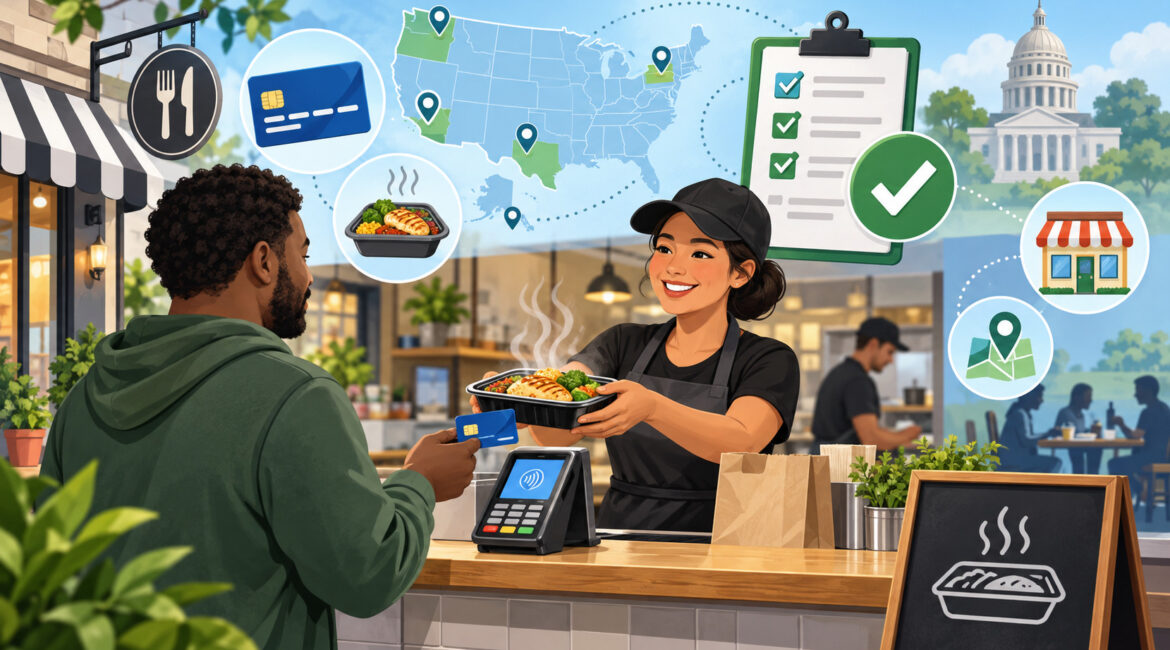
A restaurant cannot generally accept SNAP benefits for hot prepared meals simply because it has an EBT-capable terminal. Restaurant Meals Program EBT is a special SNAP pathway that allows approved restaurants in participating jurisdictions to sell prepared meals to certain SNAP households whose members may have difficulty storing or preparing...
Double Up Food Bucks and SNAP Incentive Programs: How Retailers Join and Configure the POS for Produce Matching
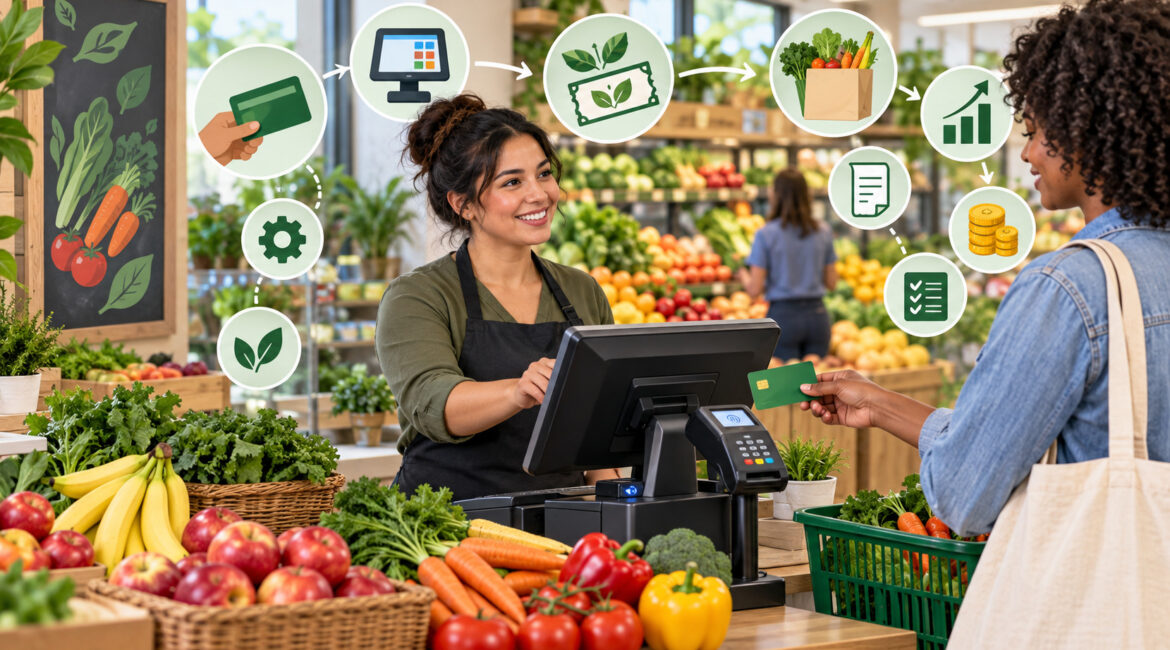
Accepting SNAP EBT is only the starting point for a retailer that wants to participate in a produce incentive program. A Double Up Food Bucks retailer setup normally requires a second, separate relationship with the organization administering the incentive in the store’s state or community. The basic sequence is: SNAP-authorized...
EBT POS System: How to Choose the Right POS System for EBT Transactions
Electronic Benefit Transfer, commonly known as EBT, has become an essential payment method for millions of people who receive government assistance benefits. Grocery stores, convenience stores, farmers markets, pharmacies, and many other authorised retailers rely on EBT payments to serve eligible customers every day. For businesses, accepting EBT is more...
EBT Compliance Checklist: A Retailer’s Checklist for Staying Compliant With FNS Requirements Year-Round
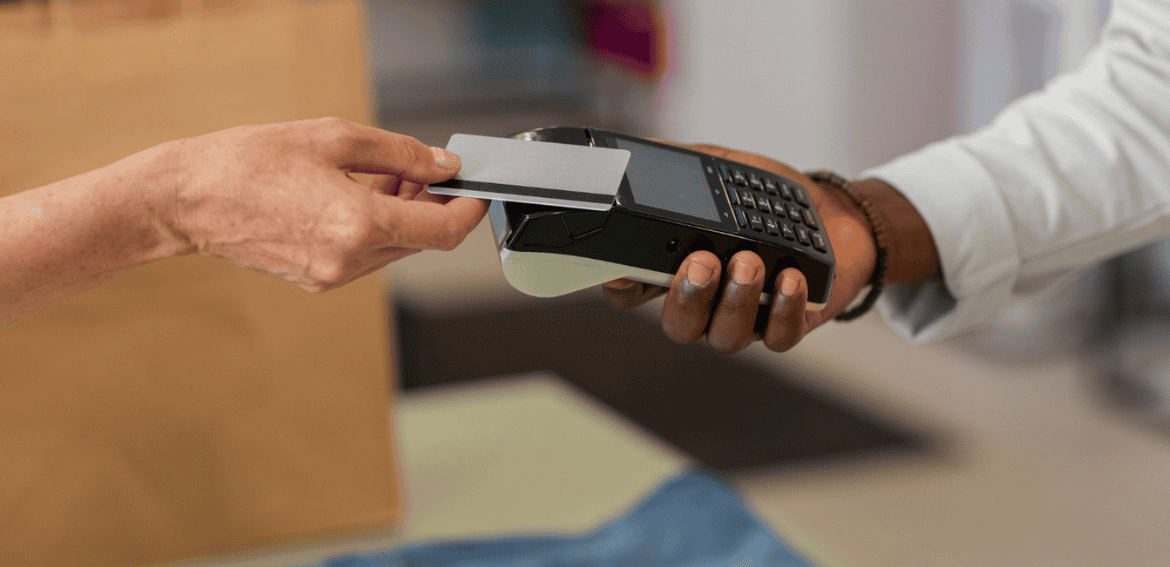
Accepting Supplemental Nutrition Assistance Program benefits can help a retailer serve more customers and improve access to food within the local community. It also brings ongoing responsibilities. Approval from the USDA Food and Nutrition Service is not a one-time task that can be forgotten after the store receives authorization. Retailers...
How State and Federal EBT Regulations Impact Retail Operations
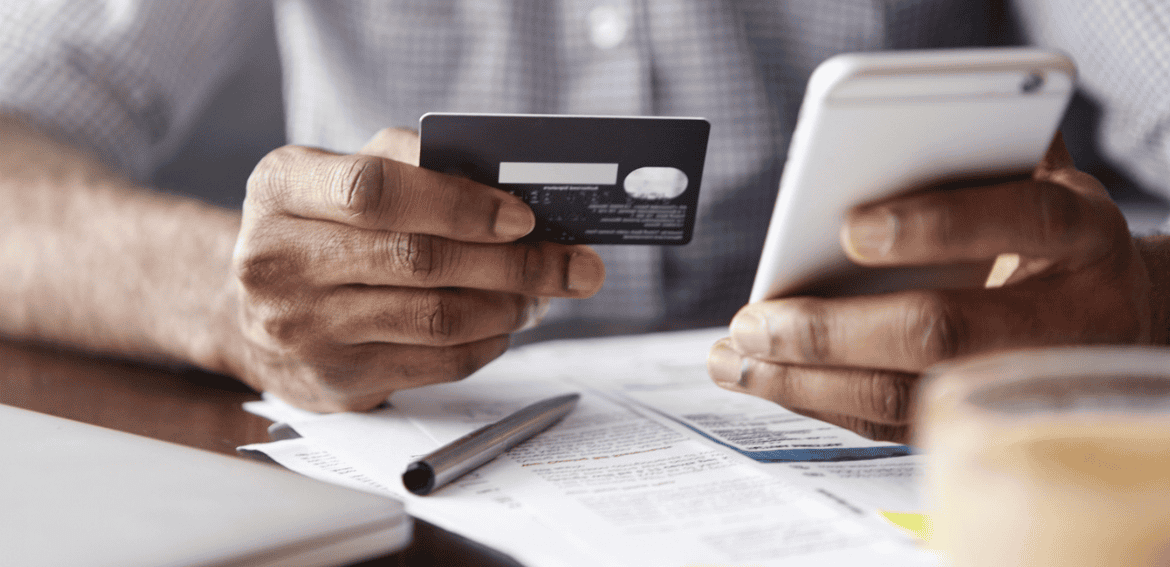
Electronic Benefit Transfer, commonly known as EBT, plays an important role in helping millions of households purchase eligible food through government assistance programs. For retailers, accepting EBT payments opens the door to serving more customers while supporting food accessibility within their communities. Grocery stores, convenience stores, supermarkets, specialty food retailers,...
EBT Application Documents: Key Documents Retailers Need for EBT and FNS Applications

The process of becoming a SNAP retailer authorized to accept SNAP benefits takes much more preparation effort than expected from applicants, and many delays in application processing happen due to the fact that documents supplied by an applicant are either incomplete or insufficient for the FNS to be able to...
EBT Compliance Software: How Technology Can Help Retailers Stay EBT Compliant

Retailers that accept EBT payments play an important role in helping eligible households purchase essential food items through the Supplemental Nutrition Assistance Program. For many communities, especially those with limited grocery options, participating retailers provide convenient access to nutritious food while supporting an important public assistance programme. However, accepting EBT...
EBT Violations: What Happens When a Store Violates FNS or EBT Regulations

For many grocery stores, convenience stores, neighborhood markets, and food retailers, accepting EBT payments is an important part of serving their communities. Millions of households rely on the SNAP to purchase eligible food items, making participation in the program valuable for both consumers and retailers. Becoming an authorized retailer, however,...
EBT Staff Training: The Role of Employee Training in Maintaining EBT Compliance

Retail stores that accept EBT payment have a significant responsibility of ensuring that the eligible families can access good food via the Supplemental Nutrition Assistance Program. While the payment technology ensures that the transactions are easy, compliance goes further to include following programme policies, understanding eligible purchases, maintaining accurate transaction...