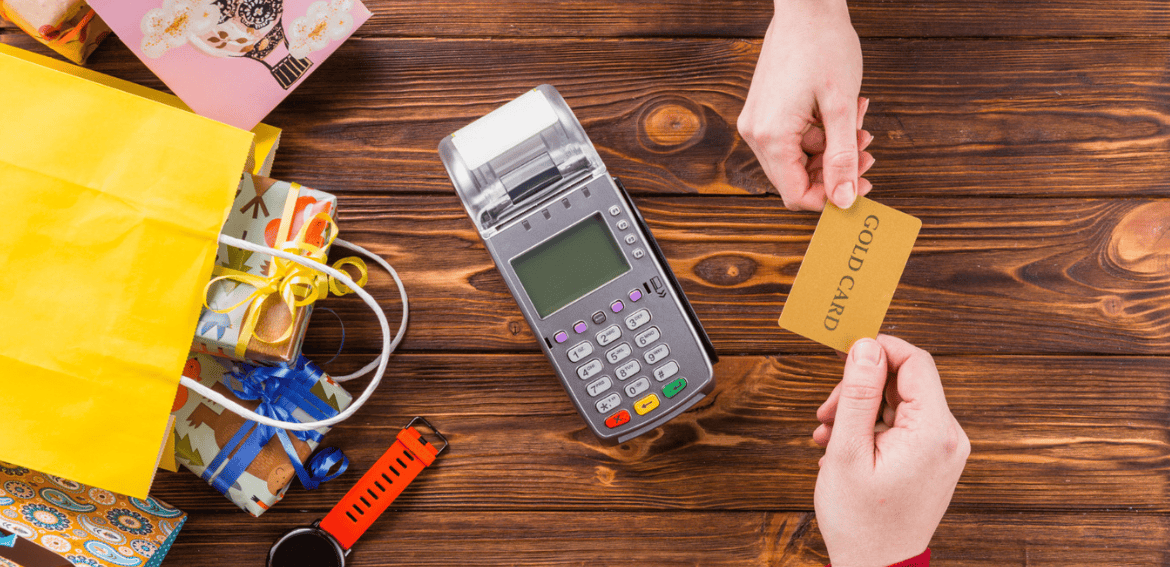
For many grocery stores, convenience stores, specialty food retailers, and small markets across the United States, participating in the Supplemental Nutrition Assistance Program provides an opportunity to serve local communities while expanding their customer base. Millions of Americans rely on SNAP benefits to purchase eligible food items, making the program...
A Store Manager’s Guide to EBT PIN Pad Tamper Checks

Protecting your customers and your business starts with knowing what to look for. There are countless daily transactions facilitated by EBT cards in the United States. Your business's PIN pad is where these transactions are initiated and where theft is most likely to occur. Retailers and consumers lose millions of...
EBT Recordkeeping: Why Accurate Recordkeeping Is Essential for EBT Compliance

Retail businesses that participate in the Supplemental Nutrition Assistance Program play an important role in helping eligible households access food and essential groceries. Accepting EBT payments allows stores to serve a broader customer base while supporting an important public assistance programme. However, participation in SNAP also comes with significant responsibilities....
EBT Renewal Process: What Retailers Should Expect
For thousands of grocery stores, convenience stores, supermarkets, specialty food retailers, and independent markets across the United States, accepting EBT payments is an important part of serving their communities. Through the Supplemental Nutrition Assistance Program, eligible households can purchase approved food products from authorized retailers, helping millions of families access...
Security and EBT Fraud Prevention Strategies for Retailers

Accepting EBT payments is a genuine service to the communities that rely on SNAP benefits, and for many food retailers it represents a significant and consistent portion of monthly revenue. But operating as an authorized SNAP retailer comes with security and compliance responsibilities that go well beyond simply having the...
How to Train Staff on EBT Split Tender Returns and Balance Checks
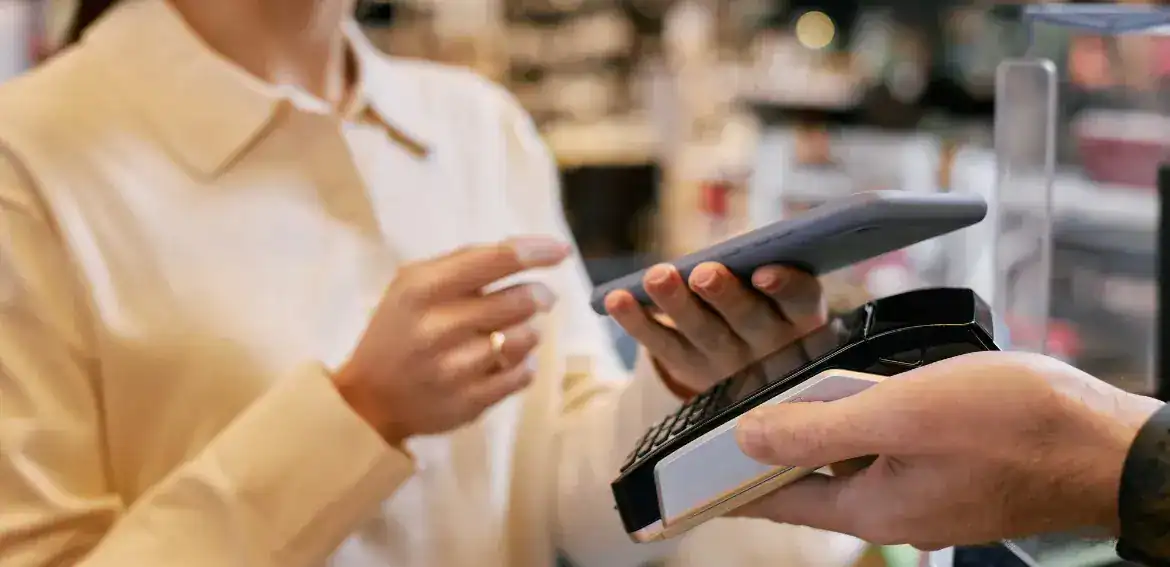
Retail employees increasingly handle transactions that involve (Electronic Benefit Transfer) EBT split payments. Grocery stores, convenience stores, and supermarkets accept EBT cards for SNAP benefits. The staff needs to learn the required skills to execute each payment system, which imposes binding restrictions on its operations. The most common payment method employees use is split-tender transactions. This enables customers to pay part of their order with EBT and...
What Small Retailers Should Know Before Adding EBT Payments

For many small retailers, adding EBT payments can feel like a big decision filled with questions and uncertainty. Convenience stores, neighborhood grocers, small food shops, and specialty retailers often hear about EBT acceptance as an opportunity to serve more customers, but they are not always sure what the process involves...
The Role of POS Terminals and Tech Vendors in EBT Processing
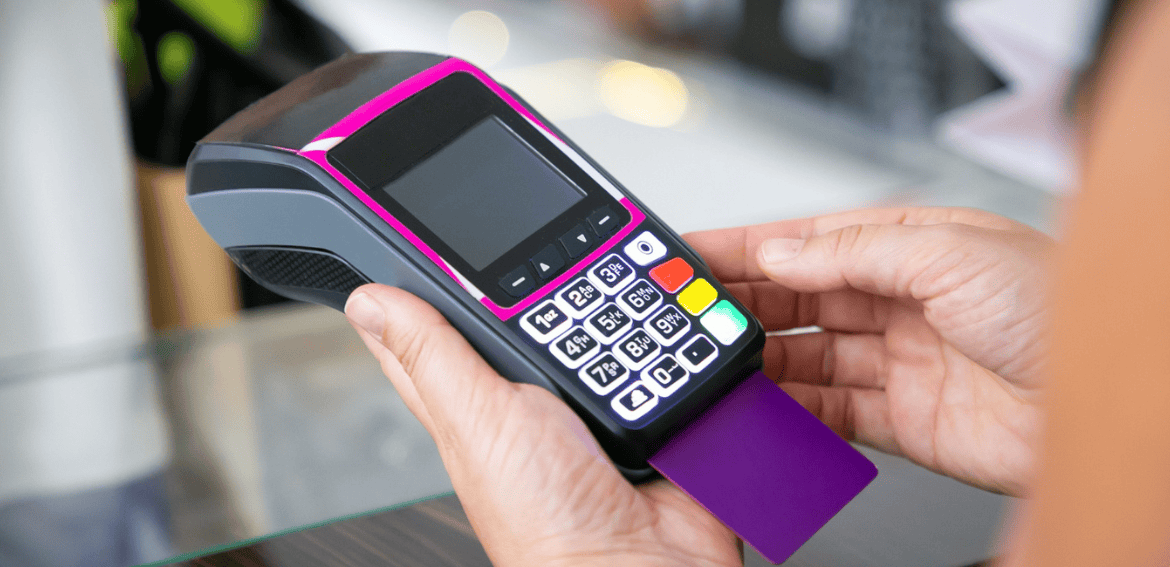
Electronic Benefits Transfer has quietly become one of the most important payment mechanisms in modern retail. Millions of households rely on government benefits for everyday food purchases, and behind every successful EBT transaction is a combination of hardware, software, and compliance driven technology working together in real time. While shoppers...
Can You Offer Discounts or Loyalty Points on EBT Purchases?
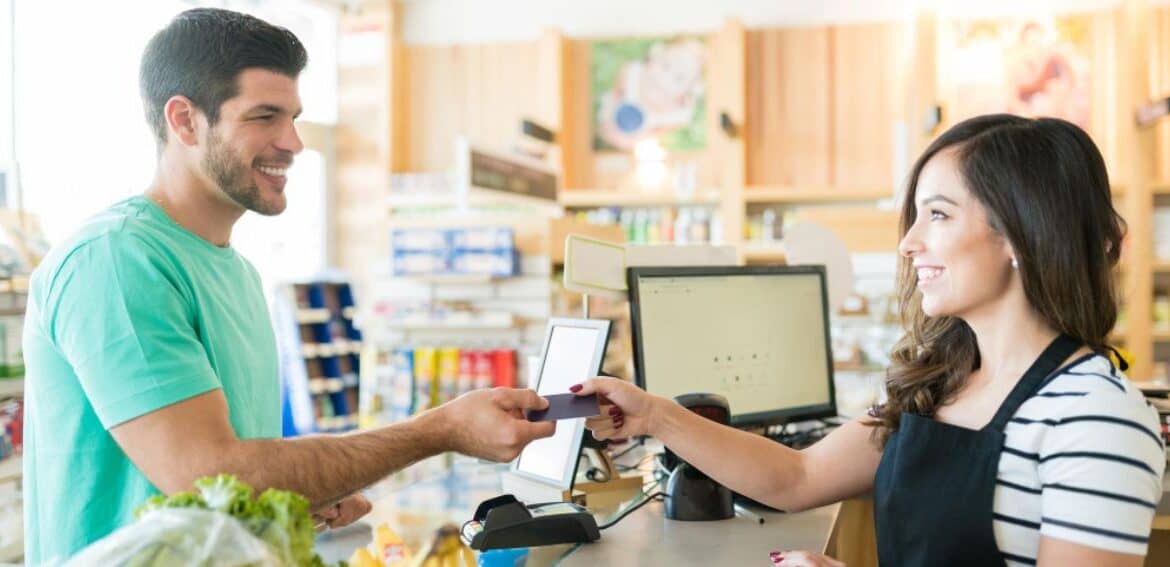
Retailers can provide discounts or rewards for loyalty on EBT purchases, but only according to strict USDA regulations. All promotions should be offered only on SNAP-eligible foods such as fruits, vegetables, dairy products, and bread. You cannot provide offers for non-qualifying foods such as alcohol, pet food, or hot prepared...
EBT vs. Debit Cards: What’s the Difference for Merchants?
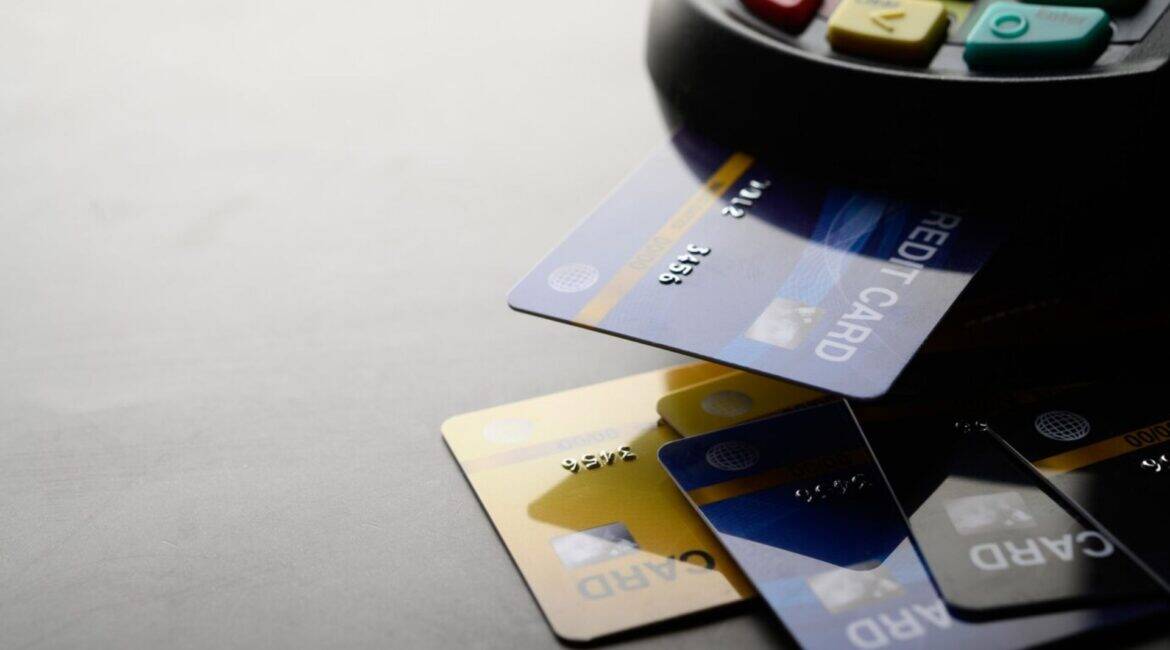
To boost sales and serve a variety of clientele, U.S. retailers need to understand the differences between debit card and Electronic Benefit Transfer (EBT) payments. EBT cards have spending limits and are used for government assistance programs. On the other hand, debit cards, which are linked to people's bank accounts,...