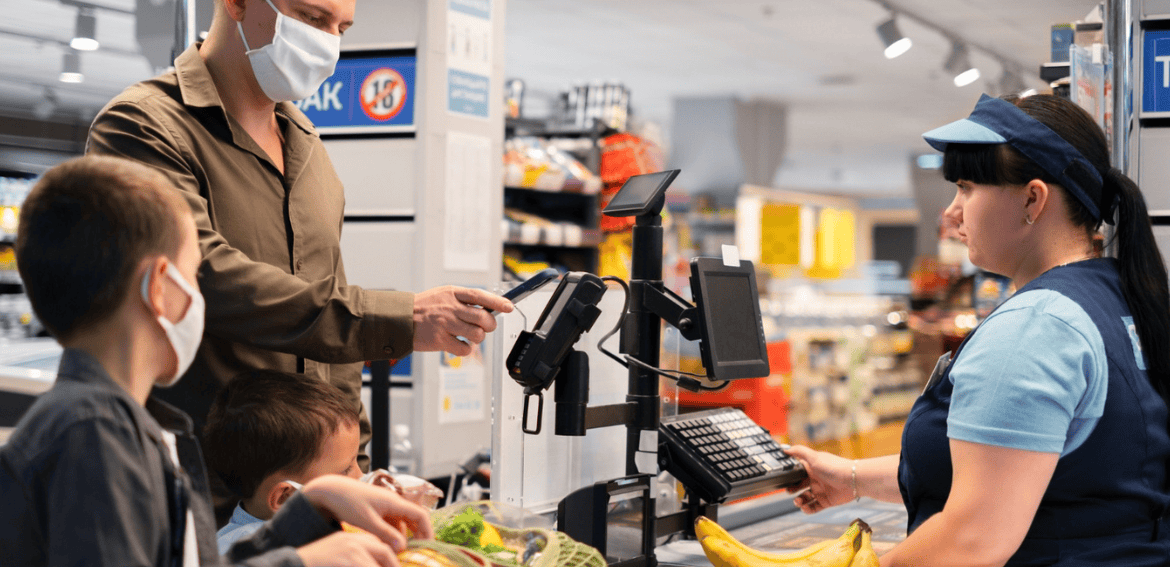
Electronic Benefit Transfer, commonly known as EBT, plays an important role in helping millions of households purchase eligible food through the Supplemental Nutrition Assistance Program. Across the United States, thousands of authorized retailers participate in the programme by accepting EBT payments for qualifying food items. While many people assume that...
Which Seafood Counter Items Create SNAP Checkout Confusion

The Moment at the Register That Nobody Warns You About You have selected salmon, shrimp, and crab legs and headed to the checkout line with your EBT card. The checkout process does not proceed as expected because some items may not be eligible for SNAP benefits. The cashier is just...
How to Configure Weighed Produce Correctly for SNAP Checkout
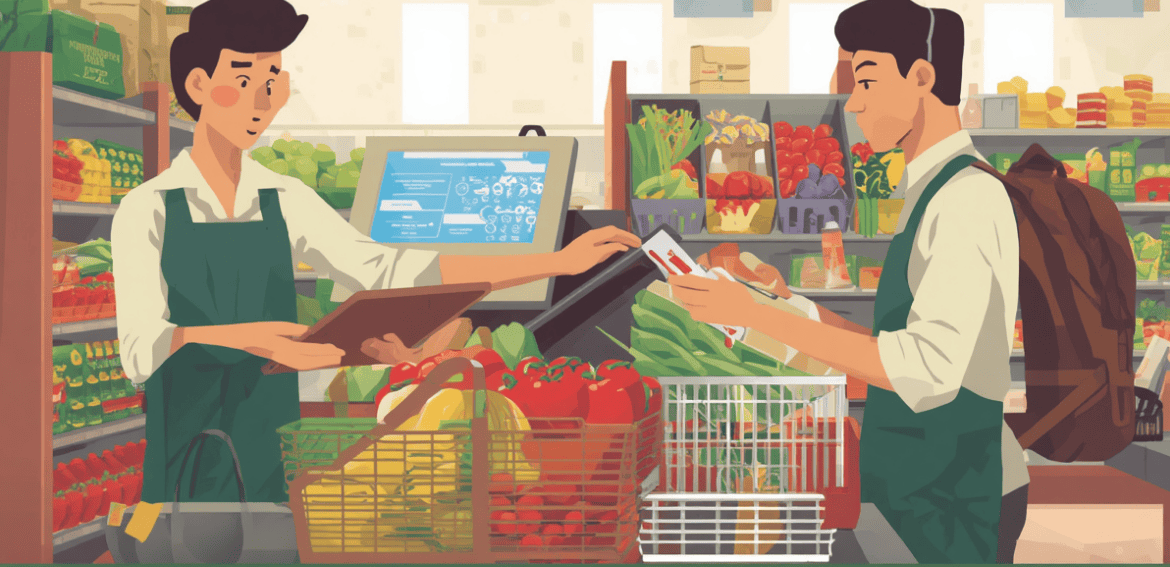
When your shop sells fresh produce at a set weight, you already know how complex a simple transaction can be, especially at the SNAP checkout lane. A misrouted item, a wayward PLU code, or a misadjusted scale can send you a compliance error, a complaint, or an unsuccessful USDA audit....
Why Hot Bar Items and Cold Prepared Foods Ring Up Differently
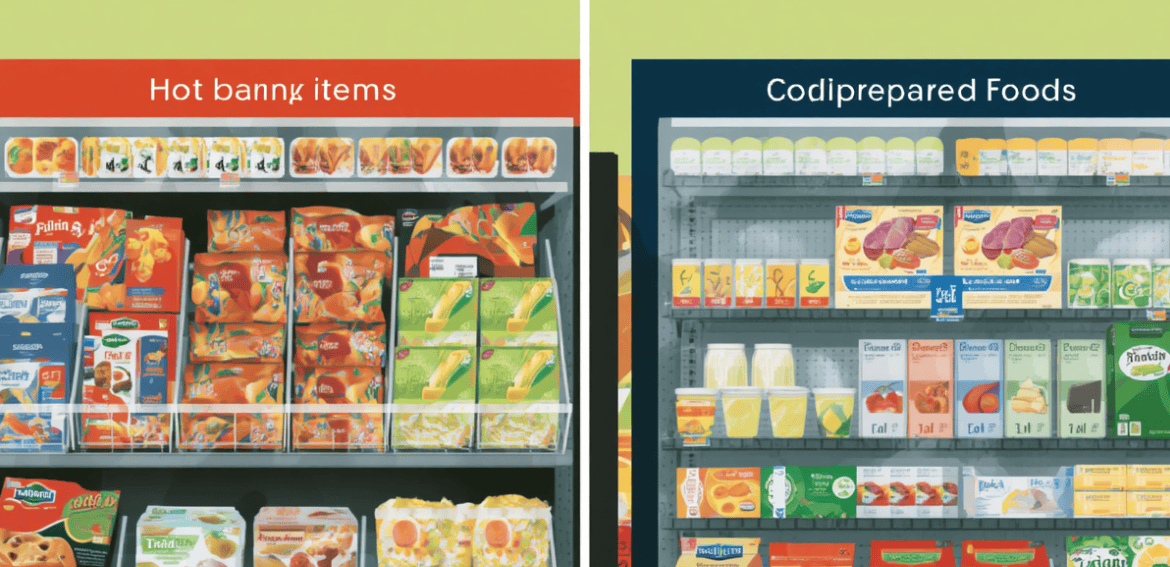
Have you ever picked up a pre-packed rotisserie chicken and a side of potato salad from your favorite grocery store, only to wonder why one felt more expensive, or why you had to swipe a different payment method for each? You’re not the only one. Every week, millions of shoppers...
Can Retailers Accept SNAP EBT at Self-Checkout Lanes?
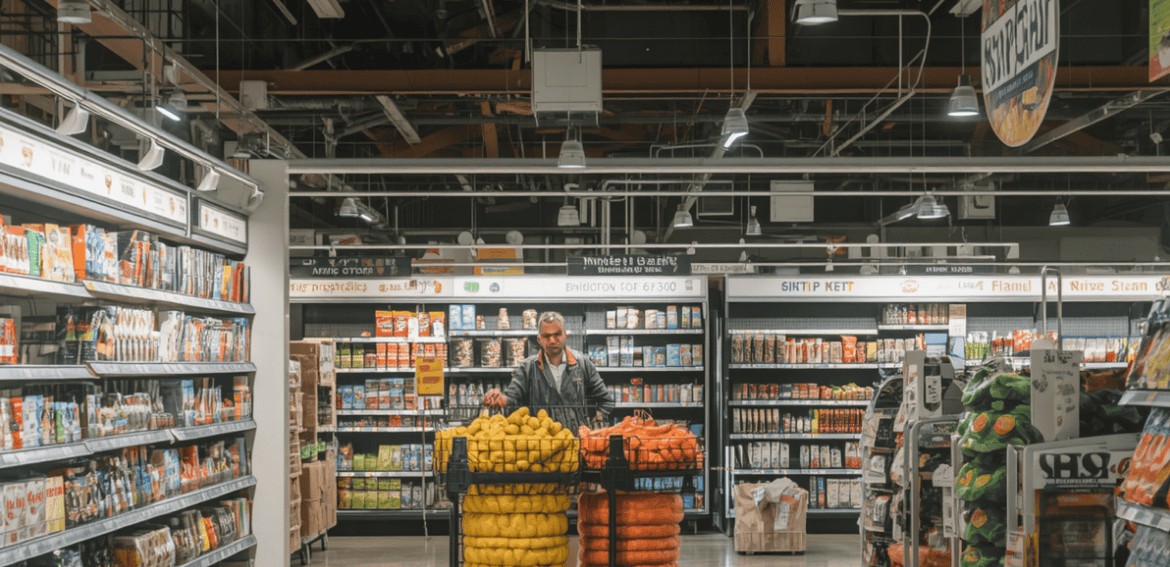
If you rely on SNAP benefits to purchase groceries, you may be considering whether you'll ever be able to use a self-checkout lane that accepts EBT cards, or if you will always have to line up for a staffed checkout lane. This is a logical dilemma, and the answer to...
What ECL Fallback Means for SNAP Chip Card Acceptance
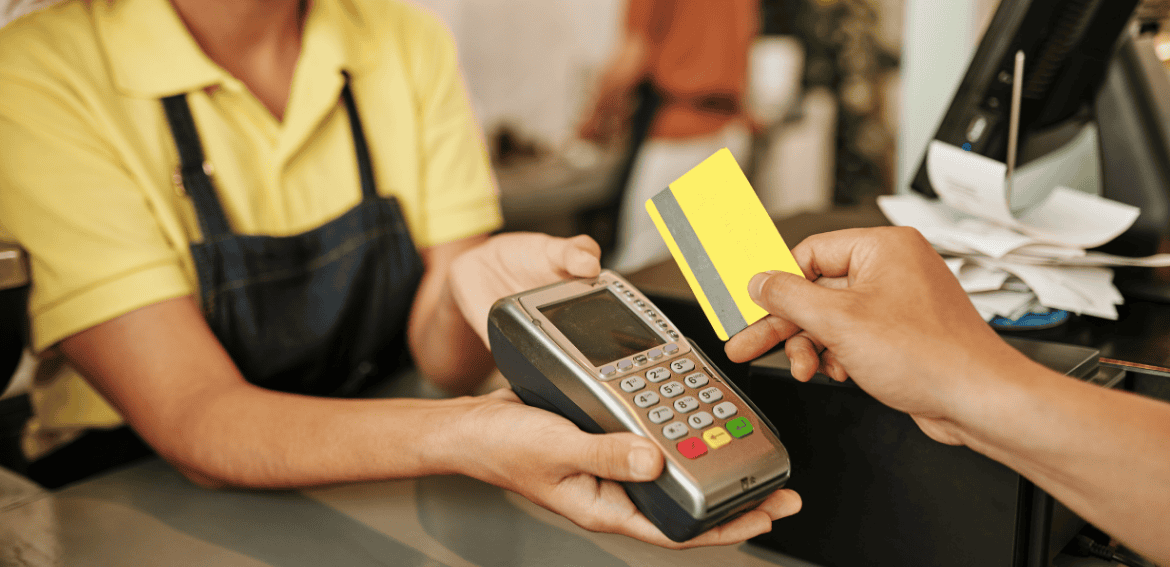
Millions of Americans buy groceries with SNAP EBT cards every day. For the most part, the process is generally seamless. But, behind the curtain, SNAP chip card payments are either approved or denied based on how well a technical process known as ECL fallback works. If you run a payment-processing...
Running SNAP Checkout Safely on Late-Night Shifts

How Cashiers and Store Managers Can Handle EBT Transactions After Hours Without Costly Mistakes Shifts at the grocery store during the night are unlike any other. The atmosphere is less hectic, but the same challenges persist in moving customers through the line. The difference between the day and night shifts...
Buying a Store That Already Accepts EBT? What Happens to the SNAP Authorization
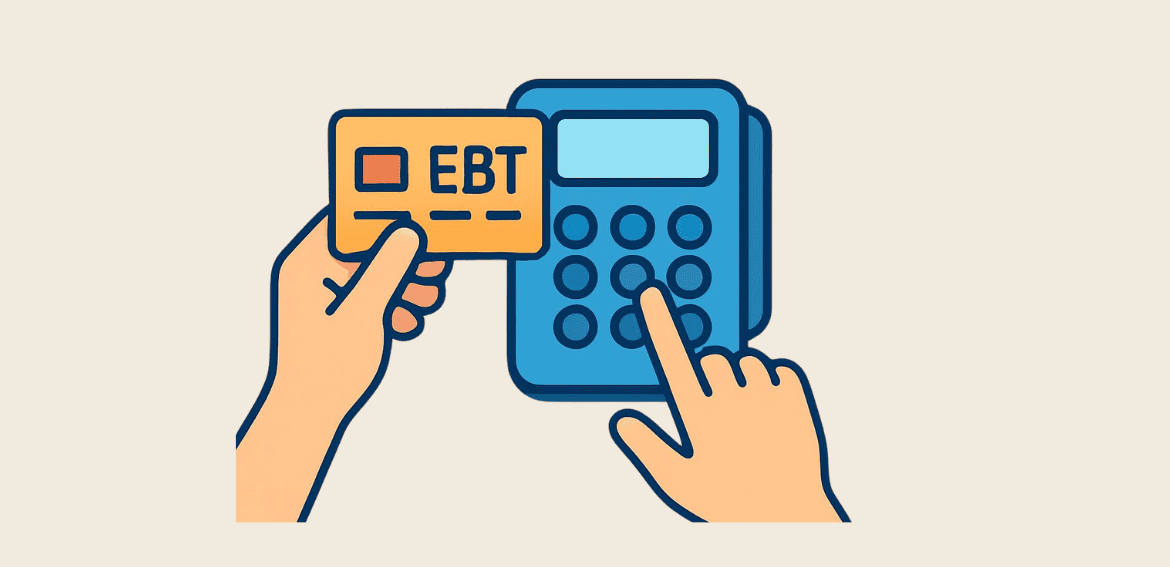
Electronic Benefit Transfer cards, commonly known as EBT cards, have become an essential payment method for millions of Americans who rely on government assistance programs such as SNAP benefits. In most situations, EBT transactions are processed by swiping, inserting, or tapping the card at a payment terminal. However, there are...
EBT Transaction Rules: What Retailers Need to Know About EBT Transaction Regulations
Electronic Benefit Transfer, commonly known as EBT, plays an important role in helping millions of individuals and families access essential food products through government assistance programs. For retailers, accepting EBT payments can expand customer reach, support local communities, and increase store accessibility. However, participating in the program also comes with...
Common EBT Compliance Mistakes That Can Put Retailers at Risk
Accepting EBT as a payment method opens a retailer's doors to a significant customer segment and provides a genuine community service to households that depend on nutrition assistance benefits. But that authorization comes with a compliance framework that the Food and Nutrition Service takes seriously, monitors continuously, and enforces with...