The way Americans use SNAP benefits is changing — and if your store isn’t ready, you could lose sales.
The USDA has begun implementing SNAP chip and tap cards for EBT benefits. This has changed the way SNAP transactions occur at the point of sale. Retailers with only magnetic stripe readers are at risk of being unable to process SNAP benefits at all. Running any kind of retail business makes it essential to understand SNAP chip-and-tap POS technology.
What Is the SNAP Chip and Tap Card Transition?
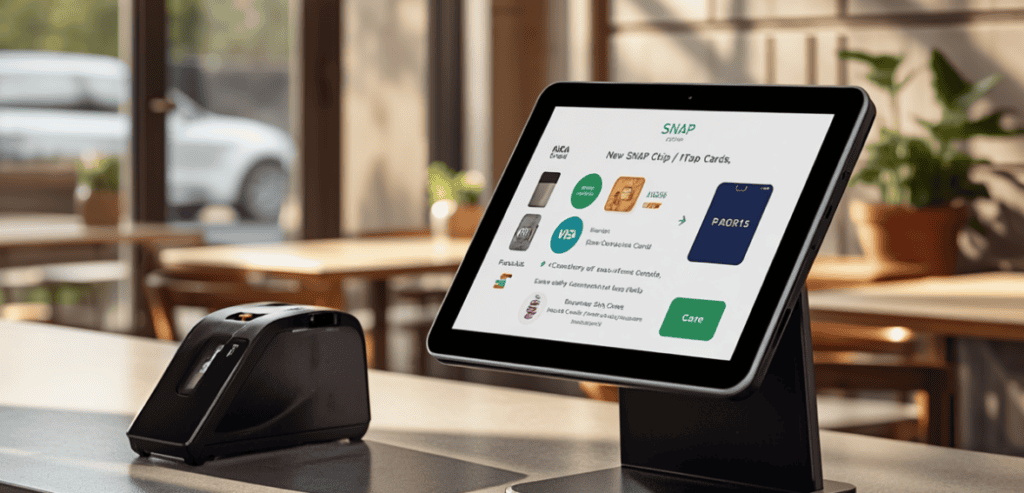
For decades, EBT cards functioned like old-school debit cards — swipe and PIN. That system worked, but it left SNAP recipients vulnerable to card-skimming fraud and data theft. The federal government, through the USDA Food and Nutrition Service (FNS), has been pushing states to modernize EBT infrastructure by introducing EMV chip technology and near-field communication (NFC) tap-to-pay capability.
EMV chips are commonly used with credit and debit cards. They protect transaction data by making it more difficult for hackers to replicate. Cards with NFC tap capability can be used to pay without inserting them into the terminal. This speeds up checkout while providing a safe and dignified transaction experience for millions of EBT cardholders across the country.
This is not a policy that will happen in the distant future. States are beginning to issue chip-enabled EBT cards, and retailers are feeling pressure to upgrade their POS systems. The USDA FNS has released guidance outlining its expectations for retailers.
Why This SNAP Chip Tap POS Update Matters for Retailers
The business case is simple. If your point-of-sale system can’t read a chip or process a tap payment, then a SNAP customer with a new EBT card may not be able to complete their purchase. That’s a lost sale — and since SNAP benefit users may comprise a significant portion of your customer base, those lost sales can add up quickly.
Beyond revenue, there’s also a compliance angle. SNAP-authorized retailers are required to maintain equipment capable of processing EBT transactions accurately. As magnetic stripe compatibility phases out and new chip-and-tap standards become the norm, stores that haven’t upgraded may find themselves out of compliance with USDA requirements. That puts your SNAP authorization at risk, posing a serious operational threat to any retailer that serves a high percentage of benefits-eligible customers.
Think about customer trust. When chip card transactions are rejected by a terminal that only reads the magnetic stripe, it results in an embarrassing and frustrating experience for customers. Upgrading your POS system signals that your store is modern and offers an accessible, welcoming shopping experience.
What Hardware Changes Does Your POS Actually Need?
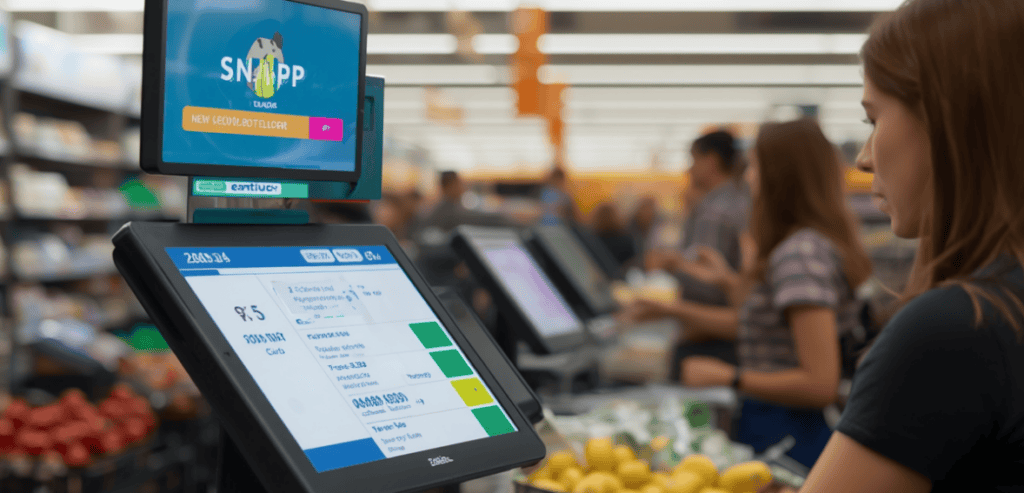
Many retailers encounter confusion here, so let’s clarify. POS upgrades differ. Knowing what your terminals require for support is the first step toward understanding which upgrades are worthwhile investments.
For POS terminals, support for EMV chip reading requires a card slot capable of reading the chip and processing encrypted data. For tap functionality, support for NFC or contactless payments requires a separate reader that many older terminals lack. Lastly, to process EBT transactions, a terminal must be certified to support newer EBT protocols. Not all terminals that support contactless functionality are certified for EBT transactions.
With POS software, retailers face similar considerations. It’s quite common for hardware upgrades to require corresponding software or firmware updates to interface properly with the payment processor and the state EBT system. Outdated software on a new terminal is an incomplete solution.
How to Assess Your Current POS System
Consider what equipment you have on hand before spending any money. Confirm your current terminal model number. Then, check with your payment processor or POS vendor to see if that model supports EMV and NFC. Hardware capabilities are likely present on terminals manufactured after 2018. Those terminals may simply need to be configured or certified for EBT chip transactions.
Reach out to your EBT processor rather than relying solely on your general payment processor. EBT processing typically operates on a separate network, and certification for chip-and-tap EBT transactions has its own requirements. Ask whether your current terminal is certified for EMV chip EBT and NFC EBT transactions. If the terminal is not certified, request either a certification timeline or details on the required hardware upgrades.
Reviewing your state’s EBT program guidance may also be beneficial. Each state runs its own EBT system in partnership with the USDA, and timelines differ. Your state’s Department of Social Services, or the agency acting in its stead, will have details on when recipients will begin receiving chip-and-tap EBT cards and what businesses need to do to prepare.
Choosing the Right POS Terminal for SNAP Chip Tap Compliance
When it’s time to upgrade, you’ll encounter a wide range of terminal options. Here’s how to approach the decision.
Verifone
Verifone is known for manufacturing point-of-sale systems used in grocery and convenience retail. Its next-generation terminals (such as the Verifone MX 915 and M400 series) support EMV and NFC and are commonly certified by major processors for EBT processing. If you already use Verifone, upgrading to a newer model may be the easiest option because software integration typically requires minimal reconfiguration.
Ingenico
Ingenico terminals are another industry standard. The Ingenico Lane Series and Desk/Move product lines support EMV and contactless payments. Ingenico terminals are widely used in the grocery industry and support most EBT processors. Ensure that your processor supports EBT certification before purchasing, as certification requirements can vary by region and processor agreement.
PAX Technology
PAX terminals are EMV- and NFC-capable and hold a significant share of the U.S. market while offering competitive pricing. Small retailers seeking cost-effective options often choose the PAX A920 and S300 series. As always, check with your processor regarding current EBT certification before signing any contracts.
The purchase of a terminal is only the primary expense. Processing fees, software licenses, and customer support costs should also be considered. A less expensive terminal that lacks support and requires a costly software upgrade may ultimately prove more expensive.
Working With Your Payment Processor and EBT Provider
Of all the partners involved in the upgrade, your payment processor is the most important. The processor connects your terminal to payment networks and determines which transactions your terminal can process based on certification. Before investing in new hardware, speak with your processor about EBT chip-and-tap certification.
Ask whether the processor is certified for your state’s EBT chip and NFC transactions. If not, request a certification timeline. If no timeline can be provided, that may be a significant concern, and an upgrade could require changing payment processors.
The Electronic Payments Coalition provides information related to EBT, payments, and the current state of compliance that may be helpful. It is important for retailers accepting SNAP benefits to stay informed about industry updates that may create new compliance requirements.
Staff Training and Operational Readiness
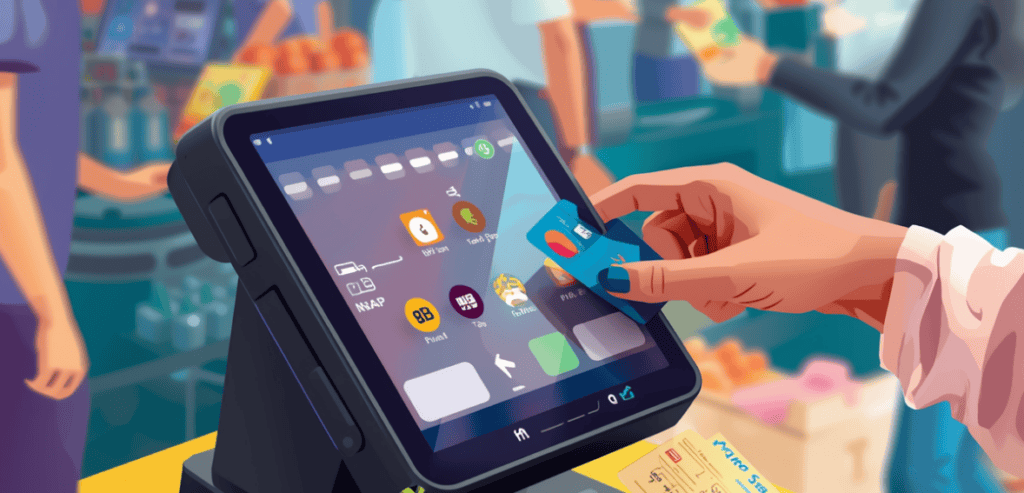
Hardware and software improvements alone are not enough. Employees must also be trained on the new system. Chip transactions differ from swipe transactions. With chip transactions, the card remains inserted in the terminal for the duration of the transaction and involves a different customer interface. Tap transactions require the customer to hold the card or payment device close to the reader. This may present challenges for customers who have never used tap technology.
Training employees to help customers understand the new payment process is just as important as explaining the different payment methods. SNAP customers should be treated no differently than any other customers. A practical solution is to place a reference card for employees at every register.
The federal initiative to introduce tap-and-chip technology for EBT cards is gaining traction, and implementation is accelerating across participating states. Some states are issuing chip cards to new EBT users and replacing older cards with chip-enabled versions. Retailers in these states should be prepared to accommodate these changes.
Currently, there is no set USDA deadline requiring all retailers to support tap-and-chip EBT transactions. However, delaying preparation is risky. The upgrade process takes time and may require terminal procurement, processor certification, and staff training. It is best to begin the assessment process now and check the USDA SNAP Retailer Resource page regularly for updated guidance.
Conclusion
The SNAP chip-and-tap POS update is not simply a technology trend to watch from a distance — it’s an operational shift that directly affects your ability to serve SNAP customers and maintain SNAP authorization. Retailers who act now by auditing existing equipment, engaging payment processors, selecting certified terminals, and training staff will be better positioned to handle the transition smoothly. Those who wait risk experiencing disrupted transactions, compliance exposure, and a poorer customer experience. The upgrade path is clear. The time to start is now.
Frequently Asked Questions
Do I need to replace my entire POS system to accept SNAP chip and tap cards?
Not necessarily. Some existing terminals can be recertified or updated through firmware to support EMV chip EBT. However, if your terminal doesn’t have NFC hardware built in, tap functionality will require new hardware. Check with your payment processor and terminal manufacturer first.
How do I know if my state has already issued chip-enabled EBT cards?
Contact your state’s EBT program administrator — typically the Department of Social Services or Department of Human Services. They can tell you the rollout timeline and when your customers are expected to receive new cards.
Will accepting SNAP chip-and-tap transactions cost me more in processing fees?
EBT processing fees are generally regulated and don’t follow the same structure as credit card interchange. However, upgrading your terminal or switching processors could affect your overall fee agreement. Get a full fee disclosure in writing from any processor before making changes.
What happens if I’m not compliant when chip-tap EBT becomes the standard?
At a minimum, your customers with new chip-only cards won’t be able to complete EBT transactions at your store. In more serious cases, being unable to process EBT may constitute a violation of your SNAP retailer authorization agreement, putting your authorization status at risk.