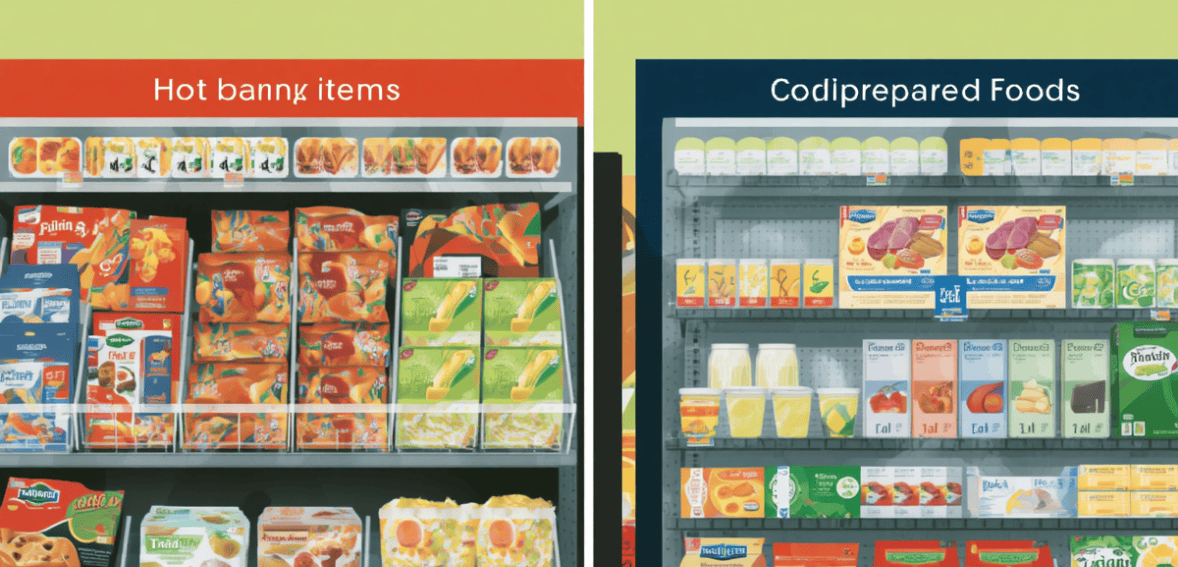
Have you ever picked up a pre-packed rotisserie chicken and a side of potato salad from your favorite grocery store, only to wonder why one felt more expensive, or why you had to swipe a different payment method for each? You’re not the only one. Every week, millions of shoppers share the same annoyance about hot food vs cold food, and the answer is more complicated than just temperature differences.
The Real Reason Your Receipt Looks Different
The prepared food section of any modern grocery store is a confusing puzzle of pricing logic. Why does a warm slice of pizza cost one thing, while a cold pasta salad sitting three feet away costs something completely different? They came from the same kitchen. They use similar ingredients. They both save you the effort of cooking. Why are they taxed differently? Why are they priced differently? Why are they treated differently under federal nutrition programs like SNAP?
It’s not arbitrary pricing. It’s food policy, tax law, and retail economics, all of which the average shopper never thinks about. Knowing the thought process behind the pricing of hot versus cold prepared food can help you in the grocery store and avoid unexpected costs at checkout.
What Makes a Food Item “Hot” or “Cold” in the Eyes of the Law
To see how the government and retailers define pricing categories, we can look at how they set some of the regulations. The difference in pricing categories is often greater than the difference in the food’s temperature when you buy it.
An example of a hot food item is one served in a heated state, such as a steam table entrée, a rotisserie chicken, or a soup in a warming pot. Examples of cold prepared food items include pre-made foods like a deli salad, sushi, or a sandwich, as well as meals sold and stored at room temperature or in the refrigerator that you can grab and go.
This difference has a huge impact on sales tax and on what is available for purchase using SNAP benefits. This is because of federal SNAP regulations and differences in state tax laws. This is also the main reason for the differing checkout experiences across states.
SNAP Hot Food vs Cold Food: The Core Policy Difference

What SNAP Covers — and What It Doesn’t
The distinction between hot and cold food on SNAP benefits is one of the more confusing aspects of grocery shopping for many Americans. Due to regulatory language, SNAP benefits cannot be used to purchase any hot foods ready for immediate consumption. This hot food rule has been part of the SNAP/Food Stamp program since its inception and continues to reflect the policy distinction between foods that are taken home to be prepared and foods that are essentially eat-out meals.
This means that if you are shopping at the Whole Foods hot food bar and preparing a container of achiote pork and roasted veggies, you cannot use your EBT for that purchase. However, a trip to the refrigerated grab-and-go section would allow you to buy a cold pasta salad or a pre-made sandwich, which would indeed be a SNAP purchase.
While the reasoning behind the hot food rule was to draw a line between a meal from the grocery store and a meal from a restaurant, the actual thinking was that the SNAP program would promote purchasing food to support meal preparation and ensure nutritional needs were met. The supermarket food hall has made that distinction blurred in the years since.
The Cold Food Loophole That Confuses Shoppers
This situation gets even trickier. A rotisserie chicken that’s allowed to sit and cool to room temperature is, in a lot of interpretations, SNAP-eligible. The same chicken that is sold warm off the rack is not SNAP-eligible. This confusion is especially apparent in stores with large prepared-foods sections, such as Whole Foods, Wegmans, and many co-ops.
For years, a number of advocates have opposed this distinction. They say that this rule especially affects low-income shoppers who have either no or limited cooking facilities. The 2023 Congressional proposal suggested allowing SNAP recipients to buy hot prepared meals; this may indicate that the outdated rule is being reconsidered. The Food Research & Action Center (FRAC) has been leading the charge on proposed legislative changes to the Farm Bill to expand the scope and access to SNAP.
How Grocery Stores Price Hot Bar and Cold Prepared Items

The Cost Structure Behind Prepared Foods
There is more behind the pricing of prepared food than just the price of raw food. Pricing includes costs associated with preparation, labor, compliance with food safety, whether the food is hot-prepared and thus needs to be maintained or will be thrown away, packaging, and costs associated with the food counter. Pricing of prepared food means that the cost of hot prepared food will generally be higher than the cost of cold prepared food, which can be reflected in the pricing of “grab and go” food, which is generally cold prepared.
Hot prepared food at Whole Foods uses a “by-weight” pricing system. This means that hot food is placed in a container, then its price is set after it is weighed in a checkout system. Pricing is set per pound but depends on the hot food chosen; i.e., food that is more nutritious and has a higher food cost will be more expensive than hot prepared food that is just simple roasted vegetables. Cold prepared food is more likely to be priced as a fixed amount, which is why it can seem less expensive than its per-ounce price.
Sales Tax and the Temperature Rule
Many states impose sales tax on hot prepared foods but not on cold grocery foods—including cold prepared foods. This tax distinction parallels the SNAP eligibility distinction and is likely derived from the same SNAP-related statute. For example, in New York, California, and Illinois, hot foods are taxable, while cold deli sandwiches are not.
As a result, almost identical items—such as a hot burrito and a cold burrito—can be taxed differently, be eligible for SNAP differently, and even be placed on different store shelves. This is a unique system design, and not an error, but does confuse shoppers. Recent research on food affordability shows that store pricing structures and food tax systems disproportionately affect low-income users of SNAP which makes these distinctions much more than just an administrative inconvenience.
Why the Distinction Has Grown More Complicated Over Time
Prepared food options at grocery stores have grown exponentially over the past 10 years. What used to have just a deli counter now has food bars, sushi, pizza, juice, and even made-to-order food. The distinction between a grocery store and a restaurant has become very unclear.
These changes have caused issues for policies made in the past. A single parent may rely on hot food bars to meet their family’s needs. If that person relies on government assistance to meet their needs, current policies would not allow them to buy food available in stores that accept their government assistance. A wealthy shopper would not have to rely on government assistance to buy the same meal and would pay the full price, most likely including sales tax.
The problem has gotten worse as grocery prices have risen. Many staples have seen price increases that far exceed the normal inflation rate. The cost of a commonly referenced preparedness shopping basket increased from about $273 to $387 between 2019 and 2025. As grocery costs rise, shoppers are increasingly looking to prepared foods for value, which makes the distinction between hot and cold food increasingly troubling.
What Shoppers Can Do Right Now
Knowing more about how something works doesn’t change how you buy — it changes your buying strategy. If you use SNAP benefits, sticking to cold meal prep items like salads, sandwiches, sushi, or other refrigerated grab-and-go meals means your purchases remain within the SNAP-eligible category. If your shopping is budget-driven and you’re paying for your purchases, it may be worth checking the per-ounce prices of cold and packaged alternatives to see if the hot food bar is a better deal.
You also need to know that there are differences in how store policies and state laws are interpreted. Some states have federal SNAP waivers that allow the use of hot meals through participating restaurants and retail food stores under specific pilot programs. If you’re ever in doubt, the most accurate way to find out is to ask your local store’s cashier or call your state SNAP agency.
Conclusion
The difference between how hot bar items and cold prepared foods ring up isn’t random — it’s the product of decades-old food policy, state tax law, and retail cost structures that most shoppers were never taught to navigate. The SNAP hot-food vs. cold-food distinction, in particular, creates real barriers for low-income shoppers, even as prepared food becomes an increasingly normal part of how Americans eat. Awareness is the first step. Whether you’re a SNAP recipient trying to stretch your benefits or simply someone trying to decode a confusing receipt, knowing the rules behind the price tag puts you back in control.
Frequently Asked Questions
Can you use SNAP to buy hot food from a grocery store hot bar?
Generally, no. Federal SNAP guidelines prohibit using benefits to buy hot, ready-to-eat food. For example, items from a food bar, a warm rotisserie chicken, and hot steam table food are typically not eligible. However, cold ready-to-eat food from the deli, such as sandwiches, salads, and sushi, is usually SNAP-eligible.
Why are hot prepared foods taxed differently than cold foods?
Many states apply sales tax to hot prepared foods because they’re treated similarly to restaurant meals — food sold for immediate consumption. Cold grocery items, including most cold prepared foods, are typically classified as groceries and therefore tax-exempt. The specific rules vary by state.
If a hot food cools down, does it become SNAP-eligible?
This is genuinely ambiguous and varies by retailer interpretation. In some cases, food that was hot at preparation but has cooled to room temperature may be treated as a cold food item. However, this isn’t a consistent policy, and attempting to game the system this way may not work at every store.
Are there any exceptions to the SNAP hot food rule?
Yes, in limited cases. Some states have received federal approval for Restaurant Meals Programs (RMP), which allow certain SNAP recipients — typically elderly, disabled, or homeless individuals — to use benefits at participating restaurants. These are state-specific exceptions, not a nationwide standard.