
Roughly one-third of the US population now has easier access to food programs because of the implementation of EBT cards. There can be many issues at checkout, as the EBT card won’t swipe. With the many ways EBT cards are used, cashier assistance is often needed. Whether through tapping, swiping, or inserting, EBT cards still have their fair share of issues. The disgruntled, embarrassed customer, the judgmental line, and the employee’s worst nightmare, caused by guilt and a sense of urgency, create an unfortunate cycle.
Knowing the ins and outs of the terminal is important for cashiers. It can reduce EBT transaction errors and improve service. The terminal could be down, the chip on the card could be dirty, or the card could be malfunctioning. These issues should be addressed with the utmost care for the customer’s dignity. Because EBT transactions can be difficult, the burden of professionalism often falls on the cashier. Unexpected transaction cancellations and complaints often stem from these failures.
Why EBT Cards Stop Working at Checkout
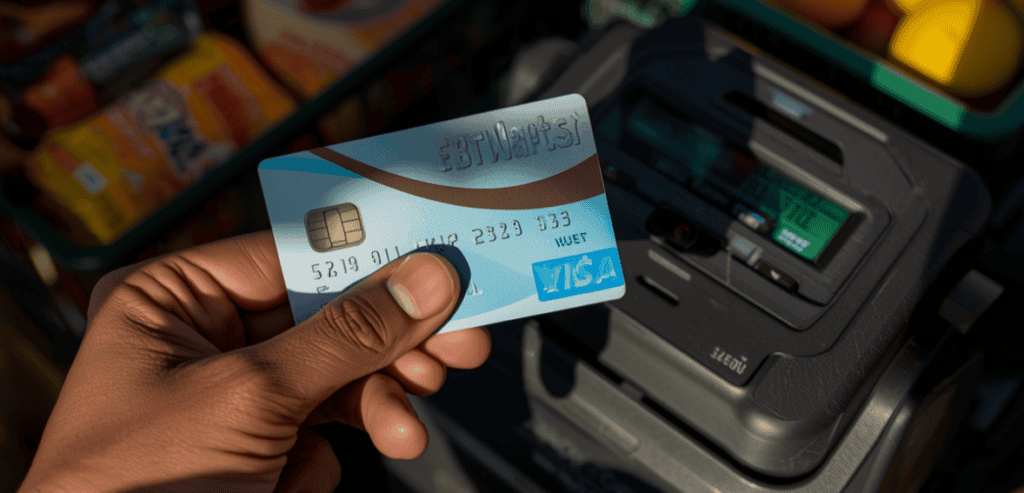
An EBT card may stop functioning for several reasons, and not all of them are caused by the customer. In many cases, physical damage to the magnetic stripe or EMV chip prevents the payment terminal from reading the card correctly. Cards that are bent, cracked, scratched, or exposed to heat and moisture often develop scanning problems over time. Since many SNAP recipients use their cards frequently throughout the month, normal wear and tear can eventually make the card unreadable.
Another issue can involve the payment terminal itself. Card readers can become dirty from dust and food particles. A POS system can also malfunction and show an error for perfectly valid EBT cards. Internet issues and temporary outages to the EBT system from the state can all interrupt a transaction. As stated by the official USDA SNAP Program, maintenance to the transaction system can interrupt benefits nationwide.
Cashiers should also know that some older EBT cards do not allow contactless payment. Customers may tap their card, but their account may not support the technology. In these cases, the card can still be used by inserting it or by swiping the stripe on the back. Understanding these issues can help cashiers find solutions quickly and reduce frustration.
What Cashiers Should Do First When an EBT Card Won’t Swipe
When an EBT card won’t swipe, the cashier’s first responsibility is to remain calm and avoid making the customer feel blamed or singled out. The tone of the interaction matters significantly because payment failures can already feel uncomfortable for shoppers. Instead of immediately assuming the card is invalid, the cashier should politely explain that card-reading errors happen frequently and begin basic troubleshooting.
The first priority is determining whether the customer inserted or swiped their card correctly. Many payment terminals have strict requirements regarding which side of the card faces which direction. Customers unfamiliar with a specific type of card reader may insert a card incorrectly. If the transaction does not process even after the card is inserted properly, the reader should be checked for visible dirt or obstruction. It is also possible for a chip not to be read the first time properly, and the transaction may be processed if the terminal is retried slowly.
If the card has both a chip and a magnetic stripe, ask the customer to try another supported payment method. For example, if the card reader does not seem to read the chip, try swiping the card instead. If neither option works, a card that supports tap-to-pay may be suitable. These solutions are quick and often resolve the issue.
Cleaning the Card and Reader Can Sometimes Solve the Problem
Physical dirt is one of the most overlooked causes of an EBT card not swiping correctly. Customers often carry EBT cards in wallets, bags, or pockets where dust and residue build up over time. Similarly, checkout terminals are used continuously throughout the day and can accumulate grime that interferes with card-reading sensors.
Cleaning methods that scrape or apply chemicals to equipment are likely to damage the card reader or customer cards and should not be used. However, light and gentle contact with a soft cloth may help improve the reader. Some retailers provide approved cleaning cards that help remove dust buildup from the reader. If the store has a defined method for maintaining POS devices, employees should follow company procedures before cleaning equipment.
This knowledge can help cashiers handle customer complaints and understand that, in most cases, the customer’s account is not actually frozen or denied. The issue may simply be caused by a dirty chip reader.
When the Payment Terminal Is the Real Issue
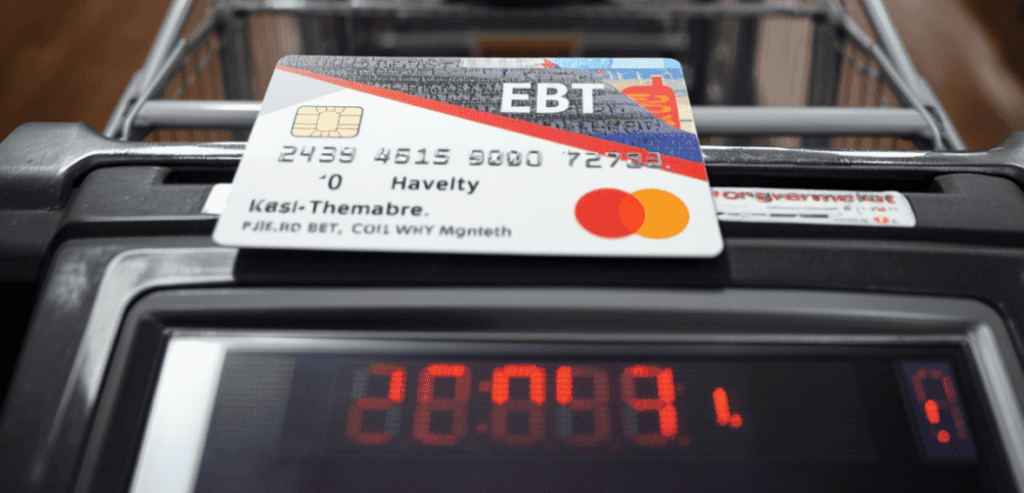
Sometimes the EBT card is not the problem at all. Payment terminals occasionally lose connection with processing networks or experience temporary software failures. When multiple customers begin having payment issues, the cashier should recognize that the checkout system itself may be malfunctioning.
Large retailers often experience temporary POS outages during software updates or internet interruptions. In these situations, restarting the terminal or switching registers may solve the issue immediately. Cashiers should notify supervisors promptly if several EBT transactions fail within a short period, as this may indicate a larger systemwide problem.
Verifone
Verifone manufactures payment devices used in many grocery stores and supermarkets. These devices are trusted in many retail settings, but even advanced systems can encounter connectivity issues and chip-reading problems. Working knowledge of terminal troubleshooting equips cashiers to handle payment failures that customers encounter.
Ingenico
Another major company in retail payment technology is Ingenico. Ingenico card readers can process many payment types, and in some states, EBT is also accepted. Like many other electronic devices, these systems can develop hardware issues or require a software update, which can temporarily impede transaction processing.
How Cashiers Should Handle Customers Respectfully
Customer service becomes especially important when an EBT card won’t swipe, as shoppers using assistance benefits may already feel self-conscious at checkout. Cashiers should avoid speaking loudly about declined transactions or discussing benefit issues in a way that other customers can overhear. Privacy and professionalism are essential during these interactions.
Cashiers should state that the system cannot read the card and avoid using the word “declined.” This helps reduce embarrassment and frustration. If troubleshooting efforts fail, explain calmly that additional assistance may be required. Remaining patient and respectful can help turn a frustrating situation into a more manageable experience for the customer.
Cashiers should also avoid appearing dismissive or impatient. Maintaining professionalism and empathy can help prevent an already stressful interaction from becoming more uncomfortable for families relying on assistance benefits.
What to Do If the EBT Card Still Does Not Work

If all troubleshooting attempts fail and the EBT card won’t swipe after multiple tries, the cashier should involve a supervisor or customer service representative. Supervisors may have access to additional troubleshooting tools or authorization procedures unavailable at standard checkout lanes.
The customer may need to contact their state EBT customer service number to determine whether the card has been frozen, expired, or deactivated. Some states deactivate EBT cards if they are not used for long periods. Additionally, entering the PIN incorrectly too many times may result in temporary transaction freezes because the system may flag the activity as suspicious.
The PIN should never be requested or entered by the cashier. Security measures are in place to help prevent fraud and identity theft involving recipients. Benefits.gov also notes that recipients should protect their PINs and report damaged cards.
If additional payment methods are available, staff members should explain the customer’s available options. If no additional payment method is available, staff should follow store policy regarding suspended or held orders until the payment issue is resolved.
Why Training Cashiers on EBT Transactions Matters
Retail staff equipped with knowledge of EBT payment systems can manage challenging transaction issues more effectively. Training reduces time spent on troubleshooting, improves staff’s ability to resolve customer issues, and increases customer satisfaction. Millions of households use SNAP benefits to buy groceries, making EBT payment systems a regular part of today’s retail environment.
Training also helps stores avoid legal compliance issues. Cashiers need to differentiate between SNAP-eligible and non-SNAP-eligible products. Payment problems occurring alongside eligibility issues can create stressful experiences for customers.
To avoid these negative experiences, managers should ensure all employees receive ongoing training to operate payment terminals properly, troubleshoot basic problems, and treat customers respectfully. Employees should be prepared to resolve technical problems confidently when EBT cards fail to scan.
The Growing Importance of Reliable EBT Technology
Today’s retail spaces are seeing greater integration of EBT technology as payment systems evolve. Multiple states have begun experimenting with mobile wallet technology and expanding online grocery shopping for SNAP recipients. In theory, these systems are designed for greater convenience and accessibility, but they can also create additional challenges for retailers and cashiers.
Since EBT is a major food assistance system for low- and middle-income households, maintaining a well-functioning payment system is essential for retailers. While a temporary EBT system outage may seem like a minor inconvenience from a retailer’s perspective, it can be a major problem for customers trying to buy food for their families. Retailers that invest in payment processing systems, employee training, and technical support are often better equipped to manage these situations.
Troubleshooting an EBT card that won’t swipe may seem minor, but the impact on the customer can be significant. An experienced cashier can help resolve the issue while making the customer feel respected and supported throughout the process.
Conclusion
Handling EBT payment problems correctly is an important part of modern customer service in grocery stores and retail environments. When an EBT card won’t swipe, cashiers should remain calm, troubleshoot basic technical issues, and treat customers with professionalism and respect. In many cases, the problem is caused by a dirty card reader, a worn magnetic stripe, a damaged chip, or a temporary system outage rather than an account being denied.
By understanding how EBT technology works and following proper troubleshooting procedures, cashiers can reduce delays and improve the checkout experience for everyone involved. Respectful communication is especially important because payment failures can already feel stressful or embarrassing for customers relying on SNAP benefits. As EBT systems continue evolving, well-trained retail employees will play an increasingly important role in ensuring smooth and dignified transactions for millions of shoppers across the United States.
Frequently Asked Questions
Why does an EBT card stop working suddenly?
An EBT card may stop working due to physical damage, a worn magnetic stripe, a faulty chip, repeated incorrect PIN attempts, or payment terminal issues. Temporary system outages can also interrupt transactions unexpectedly.
Can a cashier manually enter an EBT card number?
Most stores do not allow manual EBT card entry for security reasons. Customers are usually required to swipe, insert, or tap the physical card directly at the terminal.
What should customers do if their EBT card is damaged?
Customers should contact their state EBT customer service hotline immediately to request a replacement card. They should also protect their PIN information and report suspected fraud quickly.
Why does tap-to-pay fail on some EBT cards?
Some older EBT cards do not support contactless technology. In these situations, customers may still be able to complete the transaction by inserting the chip or swiping the magnetic stripe instead.